Sal
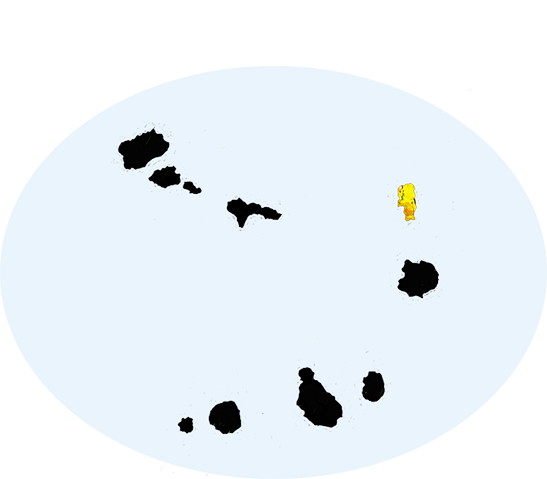


Sal Island is one of Cape Verde’s most famous islands and the country’s leading tourism destination. Located in the northeastern part of the archipelago, Sal covers approximately 220 km² and is characterised by its flat, arid landscape, white sandy beaches, and year-round sunshine. The island’s highest point is Monte Grande, which rises to 406 metres above sea level. Sal enjoys over 350 days of sunshine annually, making it one of the sunniest places in the Atlantic.
Sal has a population of approximately 35,000 to 40,000 residents. Its administrative centre is Espargos, located near the island’s international airport, while Santa Maria, on the southern coast, is the island’s main tourist resort and one of Cape Verde’s most visited towns.
The island’s economy is dominated by tourism, which is the principal source of income and employment. Historically, Sal was known for its salt production, from which the island takes its name, but today tourism, hospitality, transport, fishing, and related services are the main economic activities. The presence of Amílcar Cabral International Airport, one of Cape Verde’s busiest airports, has played a major role in the island’s development as an international holiday destination.
For visitors, Sal offers spectacular beaches, warm turquoise waters, and excellent conditions for water sports such as windsurfing, kitesurfing, diving, and snorkeling. Major attractions include Santa Maria Beach, Ponta Preta, the Pedra de Lume Salt Pans located inside an extinct volcanic crater, Buracona and the Blue Eye, and the fishing village of Palmeira. The island is also an important nesting site for loggerhead sea turtles and offers opportunities for wildlife watching. With its combination of sunshine, beaches, outdoor activities, and modern tourist facilities, Sal is widely regarded as Cape Verde’s premier beach holiday destination.